Gallstones are hardened deposits that can form in the gallbladder, a small organ beneath the liver that stores bile. While they differ in size and number, gallstones can disrupt the normal flow of bile and cause painful digestive problems. Recognizing the signs, risks, and treatment options helps patients know when to seek care and avoid complications.
What Are Gallstones?
Gallstones form when components of bile, such as cholesterol or bilirubin, become imbalanced and crystallize. Some people develop one larger stone, while others form several smaller stones. Gallstones do not always cause symptoms, but when they block bile ducts, they can trigger discomfort and interfere with digestion.
Common Symptoms
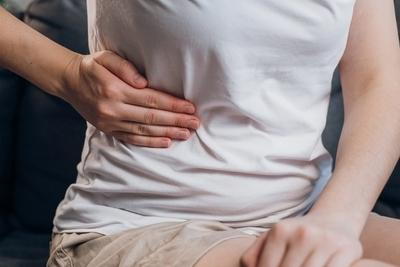
Gallstones often bring on sudden, sharp pain in the upper right or middle abdomen, frequently after a high-fat meal. This discomfort, known as a gallbladder attack or biliary colic, can last from minutes to hours. Other symptoms may include nausea, vomiting, indigestion, bloating, or pain that radiates to the back or shoulder. If a blockage persists, fever, jaundice, or infection may develop, requiring urgent medical attention.
Risk Factors
Certain factors increase the risk of developing gallstones. These include being over age 40, having a family history of gallstones, being overweight, or consuming a high-fat, high-cholesterol diet. Women are also at greater risk due to hormonal influences, particularly during pregnancy. Conditions such as diabetes or liver disease can further contribute.
Treatment Options
Not every gallstone needs treatment. Silent stones that cause no symptoms may simply be monitored. For those with symptoms, the most common solution is surgical removal of the gallbladder, a procedure called cholecystectomy. This minimally invasive surgery is effective for long-term relief. For patients unable to undergo surgery, medications may be used to dissolve stones, though results are slower and less reliable.
Protecting Digestive Health
Healthy lifestyle habits can reduce the risk of gallstones. Maintaining a balanced weight, eating a diet rich in fiber and healthy fats, and staying physically active all support gallbladder and digestive health. For those already experiencing symptoms, prompt evaluation and treatment are essential to prevent complications and maintain well-being.